Rent-first DSCR guidance
Does the rent cover it?
Yes or no, that is the whole first question I ask on a DSCR investor loan — and you can answer most of it yourself in about a minute. A DSCR loan is a business-purpose loan for a rental property where the property, not your paycheck, does the qualifying: we compare the monthly rent to the full monthly cost of owning the property, and that comparison — the debt service coverage ratio — tells us whether the rent carries the place or whether you would be feeding it out of pocket every month.
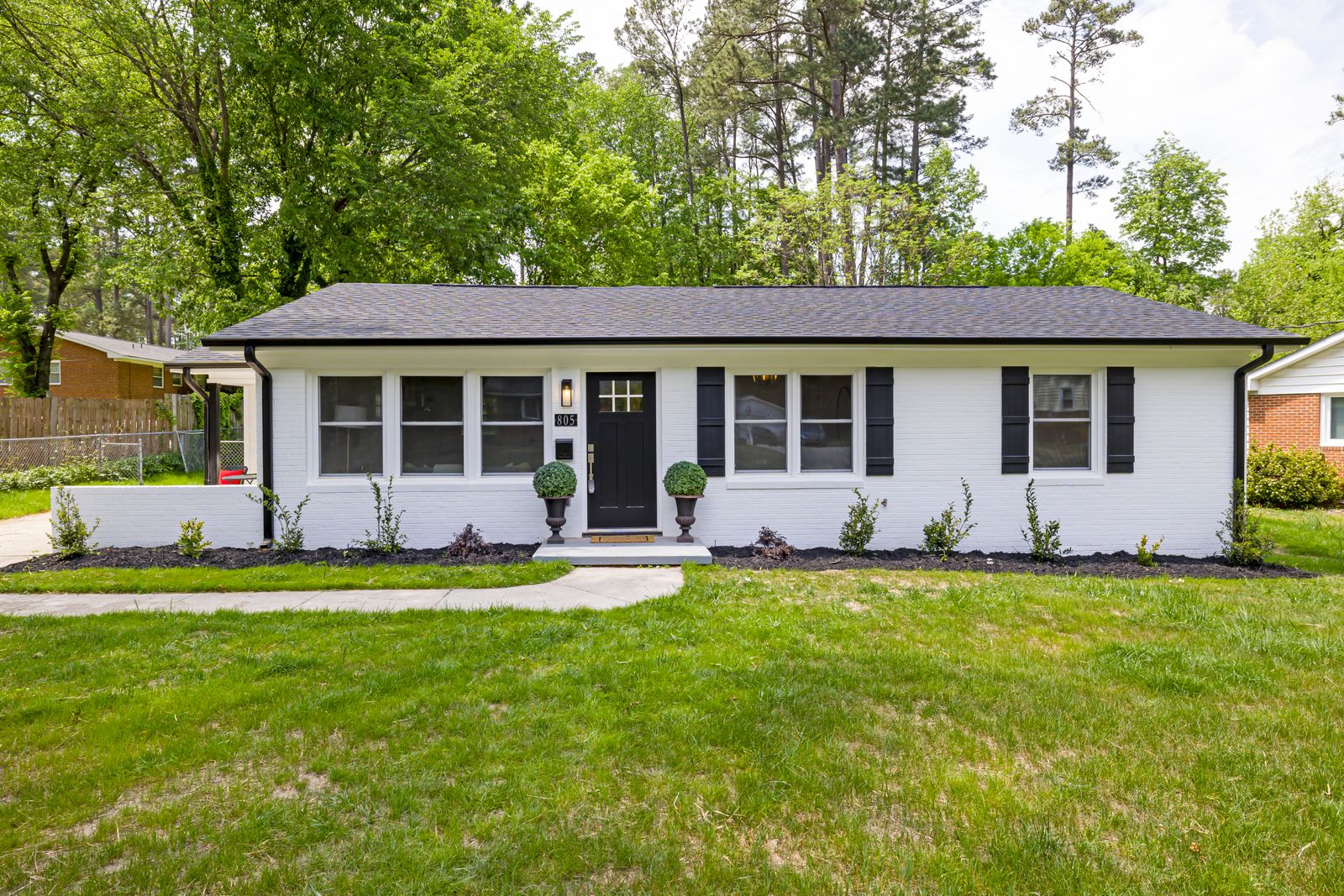
I built this site around that one question because it is the question that decides deals. Not the paint, not the listing photos, not the story the seller is telling. The rent, against the real cost, on paper. Run it below before you fall in love with anything.
DSCR ratio calculator
DSCR = monthly rent ÷ the property's full monthly cost (principal, interest, taxes, insurance, and HOA dues — "PITIA"). Enter your property's numbers:
How to read the result
The calculator gives you a ratio, and the ratio is just rent divided by the full monthly cost — what lenders call PITIA: principal, interest, taxes, insurance, and HOA dues if there are any. Here is how I read the three bands when a property lands on my desk:
| Coverage band | What the math is saying | How I read it |
|---|---|---|
| Below 1.00 | The rent does not cover the full monthly cost | The property needs your other income to survive — a weak starting point |
| Around 1.00 | The rent roughly covers the full monthly cost | It carries itself, with very little cushion for a surprise |
| Above 1.00 | The rent covers the cost with room to spare | A cushion exists — and stronger coverage generally makes a stronger file |
That cushion matters more than most first-time investors expect. Roofs leak in February. Tenants move. Insurance renews higher than anyone guessed. A property that only just covers itself on a sunny-day spreadsheet has no margin when real life shows up, and lenders think about it the same way I do — coverage is the story of whether this property stands on its own.
Take a duplex renting for $2,850 a month, just as a hypothetical. If the full monthly cost — loan payment, taxes, insurance, everything — comes to $2,600, the rent covers it with a little room. If that same cost comes to $3,100, the rent falls short every single month, and no amount of optimism changes the arithmetic. Same building, same rent, completely different deal. That is why we run this number first.

What happens next
If the math is close — or even if it is not and you want a second set of eyes — send me the property. An address, the rent (or the rent you honestly believe it can get), and whatever you know about taxes and insurance. I will run the coverage the way a lender will see it, tell you plainly where it lands, and if it falls short, I will tell you which lever might move it: the price, the structure, the rent itself. Sometimes the honest answer is walk away, and I would rather tell you that before an offer than after an appraisal.
DSCR loans are for investment properties, they can vest in an LLC, and structures like interest-only payments and cash-out refinances exist for investors who qualify — but every one of those conversations starts in the same place. Does the rent cover it? Run the number, then let's talk about your options.
USAdscr.com
the national DSCR flagship — how the loan works, property types, and state guides
DSCRalaska.com
DSCR financing for Alaska rental property — Anchorage, Mat-Su, Fairbanks, Juneau, Kenai
USA.loan
Derek Huit's national mortgage site — VA, first-time buyer, bank-statement and more
Questions investors ask
What is DSCR in one sentence?
DSCR is a ratio that compares a rental property's monthly rent to its full monthly cost — if the rent covers the cost, the property is carrying itself instead of relying on your personal income.
What counts in the payment?
The full monthly cost, called PITIA: principal and interest on the loan, property taxes, homeowner's insurance, and HOA dues when the property has them. That total is the denominator the rent has to cover.
My rent is just under the payment — am I done?
Not necessarily. A small gap is sometimes fixable through price, structure, or a realistic look at the rent — but sometimes it is the market telling you the deal does not work. Send it to me and I will tell you which one it is.
How is rent proven?
Usually with an existing lease if the property is rented, or with an appraiser's market-rent schedule — Form 1007 — on a purchase, which estimates what the property should rent for in that market.
Can I send you a property I'm only looking at?
Please do — that is the best time to run the math. An address and your best rent estimate are enough for a first read, before you write an offer.
What does it cost to have you run it?
Nothing. Running a property's rent math is a conversation, not a product. Call me at (907) 244-9368 and we will go through it together.
Want a second set of eyes on the rent math?
Send me the property and its rent. I will run the coverage the way an underwriter sees it and tell you honestly whether the numbers carry — and what would fix them if they don't.